

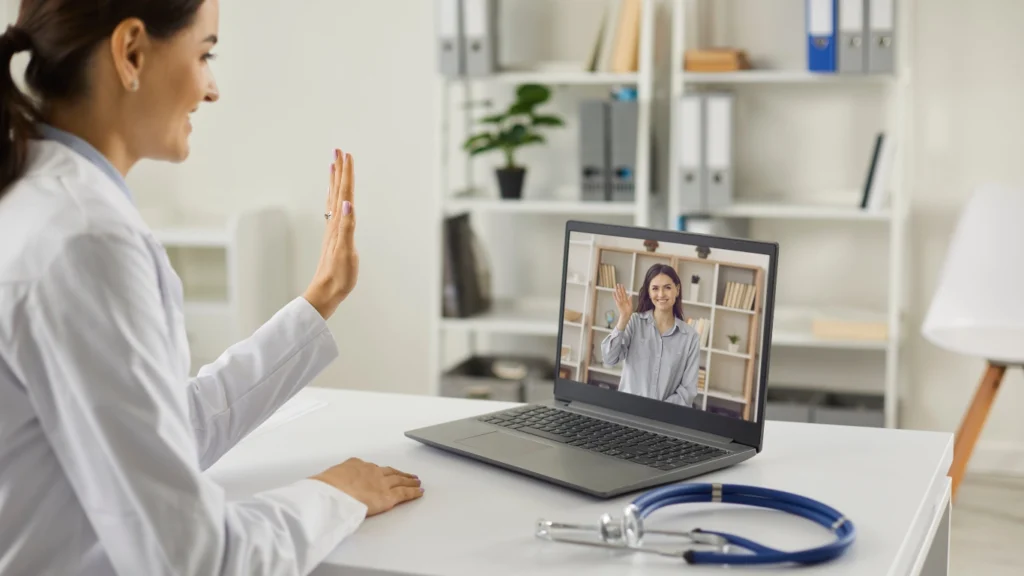
Telehealth coverage and modern healthcare are transforming how Queen Creek residents access medical care. Remember the last time you drove across Queen Creek just for a five-minute prescription refill? Or postponed therapy because finding time felt impossible? Healthcare has evolved, and telehealth is key.
The New Reality of Healthcare in the East Valley
Living in Queen Creek means enjoying small-town charm with big-city amenities nearby. But when it comes to healthcare, that “nearby” can still mean a 30-minute drive to Chandler or Scottsdale for specialist appointments. Add in our infamous summer heat or a sudden monsoon storm, and that simple doctor’s visit becomes a half-day adventure.
That’s where telehealth coverage and modern healthcare come in. Virtual care isn’t just convenient—it’s essential. Understanding your telehealth coverage and modern healthcare benefits can save time, money, and stress.
What Telehealth Really Means for Your Insurance Coverage
Let’s clear up the confusion right away. When we talk about telehealth coverage and modern healthcare, we mean real medical appointments via computer or smartphone. This includes video consultations with your doctor, therapy sessions with mental health professionals, and even some specialist appointments.
The good news for Arizona residents: state law often requires insurance to cover telehealth like in-person visits. Your copay should be the same. Medicare has also significantly expanded its telehealth coverage and modern healthcare options. You can find official details about Medicare telehealth benefits on the Medicare.gov Telehealth Page.
Medicare has also expanded its telehealth coverage significantly. If you’re on Medicare, you now have access to a wide range of virtual services, from routine check-ups to mental health counseling, without the geographic restrictions that used to limit coverage.
Real-Life Telehealth: When Virtual Care Makes Sense
Sarah, a Queen Creek mom, used telehealth coverage and modern healthcare when her youngest developed a rash. Instead of loading everyone into the car for an urgent care visit, she scheduled a video consultation. The pediatrician examined the rash through the camera, diagnosed it as a common allergic reaction, and sent a prescription to their local pharmacy. Total time spent: 20 minutes.
Or consider Tom, a business owner, uses telehealth for quarterly endocrinology appointments, integrating telehealth coverage and modern healthcare into his busy schedule. He uses telehealth for his quarterly endocrinology appointments, uploading his blood sugar data beforehand and discussing adjustments with his specialist without missing half a day of work. His continuous glucose monitor data syncs directly with his doctor’s system, making virtual visits just as effective as in-person ones.
Mental health care has particularly benefited from telehealth coverage and modern healthcare. Many Queen Creek residents who previously avoided therapy due to stigma or scheduling challenges now meet with counselors from the privacy of their homes. Whether it’s managing work stress, dealing with family issues, or addressing anxiety and depression, virtual therapy sessions have made mental healthcare more accessible than ever.
Navigating Your Telehealth Options
If you have insurance through Banner Health, you’re already connected to their extensive virtual care network. This means you can see Banner providers you already know and trust, and your medical records stay integrated whether you’re seen virtually or in person at Banner Ironwood Medical Center. Banner Health offers an extensive virtual care network, integrating telehealth coverage and modern healthcare seamlessly.
Dignity Health and HonorHealth also offer robust telehealth programs. These systems let you maintain relationships with specialists in Scottsdale or Phoenix without the drive. It’s particularly valuable when you need follow-up appointments after procedures or ongoing management of chronic conditions.
For those with employer-based insurance, you might have access to national telehealth platforms like Teladoc or MDLive. These services excel at handling urgent care needs—think sinus infections, UTIs, or skin conditions that need quick attention. They’re available 24/7, which means you can get care even at 2 AM when your child spikes a fever. Employer plans might offer national platforms like Teladoc or MDLive, excellent examples of telehealth coverage and modern healthcare for urgent needs 24/7.
Some Queen Creek residents are exploring direct primary care models that include unlimited telehealth visits for a monthly membership fee. These arrangements work well if you prefer building a relationship with one provider who gets to know your health history intimately.
Making Telehealth Work for You
Success with telehealth coverage and modern healthcare starts with preparation. Before your appointment, test your technology. Make sure your internet connection is stable and your device’s camera and microphone work properly. Find a quiet, well-lit space where you can speak privately. If you’re discussing sensitive health issues, you don’t want family members or roommates overhearing.
Gather any relevant information beforehand. If you’re following up on a chronic condition, have your recent test results handy. If you’re using any home monitoring devices like a blood pressure cuff or glucose meter, have those ready. Write down your symptoms, questions, and current medications—it’s easy to forget things during a virtual visit just like an in-person one.
Be honest about what you need. If you’re having trouble seeing something on screen or hearing your provider, speak up. If you’d prefer an in-person visit for a particular concern, say so. Good healthcare providers will work with you to ensure you’re comfortable with virtual care or help you schedule an in-person appointment when necessary.
Understanding the Limits and Possibilities
Telehealth coverage and modern healthcare can’t replace all in-person care (exams, procedures, emergencies). You still need physical exams for certain conditions, blood draws for lab work, and in-person visits for procedures. Emergency situations always require immediate, in-person care—never use telehealth for chest pain, difficulty breathing, or other emergencies.
However, telehealth excels at follow-up care, medication management, mental health services, and initial consultations for many conditions. It’s perfect for discussing test results, adjusting medications, managing chronic conditions, and addressing minor acute illnesses.
Technology like remote monitoring continues to enhance telehealth coverage and modern healthcare. Remote monitoring devices now allow doctors to track everything from heart rhythms to oxygen levels from afar. Some dermatologists use high-resolution smartphone photos to evaluate skin conditions accurately. Psychiatrists find video sessions often work just as well as in-person visits for medication management and therapy.
Special Considerations for Different Life Stages
Families: Telehealth coverage and modern healthcare offer sanity-saving options for evaluating kids’ minor illnesses without waiting room exposure.
Professionals: Flexibility allows therapy sessions or prescription refills to fit into busy schedules, a key benefit of telehealth coverage and modern healthcare..
Seniors: Reduced transportation needs make telehealth coverage and modern healthcare invaluable for managing chronic conditions.
Self-Employed: Virtual care maximizes productivity; visits are often HSA-eligible, integrating well with telehealth coverage and modern healthcare financial planning.
Looking Ahead: The Future of Virtual Care in Queen Creek
Telehealth isn’t going anywhere. In fact, it’s becoming more sophisticated and integrated into our overall healthcare system. Queen Creek medical practices are investing in better technology, training staff in virtual care best practices, and finding innovative ways to combine in-person and virtual services.
We’re seeing hybrid models emerge where you might have an in-person annual physical but handle all follow-ups virtually. Chronic disease management programs combine home monitoring devices with regular virtual check-ins. Mental health providers offer both in-person and virtual sessions, letting patients choose based on their comfort and circumstances.
Schools in Queen Creek are beginning to explore telehealth programs that could allow students to see healthcare providers without leaving campus. Employers are integrating telehealth into workplace wellness programs. Community centers might soon offer telehealth kiosks for residents who lack reliable internet or devices at home.
Taking Action: Your Next Steps
Understanding your telehealth benefits starts with reviewing your insurance plan documents. Look for sections on virtual care or telehealth services. Check whether you need different authorization for telehealth versus in-person visits. Understand your cost-sharing responsibilities—copays, deductibles, and out-of-pocket maximums apply to telehealth just like traditional care.
If you haven’t tried telehealth yet, consider starting with something straightforward like a prescription refill or a follow-up appointment. This lets you get comfortable with the technology in a low-stakes situation. Many people find that once they’ve completed one successful telehealth visit, their comfort level increases dramatically.
For those already using telehealth, think strategically about when virtual care makes the most sense for your situation. Build relationships with providers who offer both in-person and virtual options. Keep records of your telehealth visits just as you would traditional appointments. And don’t hesitate to provide feedback—healthcare providers are still learning how to optimize virtual care, and patient input is valuable.
Your Health, Your Choice
Telehealth has transformed from a nice-to-have option into an essential component of modern healthcare in Queen Creek. It’s not about replacing traditional medical care—it’s about having choices that fit your life, schedule, and health needs. Whether you’re managing a chronic condition, seeking mental health support, or just need a quick consultation for a minor issue, understanding your telehealth coverage empowers you to make the best decisions for your health.
The barriers to healthcare access that once seemed insurmountable—distance, time, transportation, scheduling conflicts—are crumbling thanks to virtual care options. As Queen Creek continues to grow and evolve, telehealth ensures that quality healthcare keeps pace with our community’s needs.
Ready to explore how telehealth can work for your specific situation? Whether you’re navigating Medicare options, comparing employer-based plans, or seeking individual coverage, Health Insurance Jedi can help you understand your telehealth benefits and find coverage that supports both virtual and traditional care. Because in today’s world, the best healthcare is the care you can actually access—whether that’s in person or through a screen.